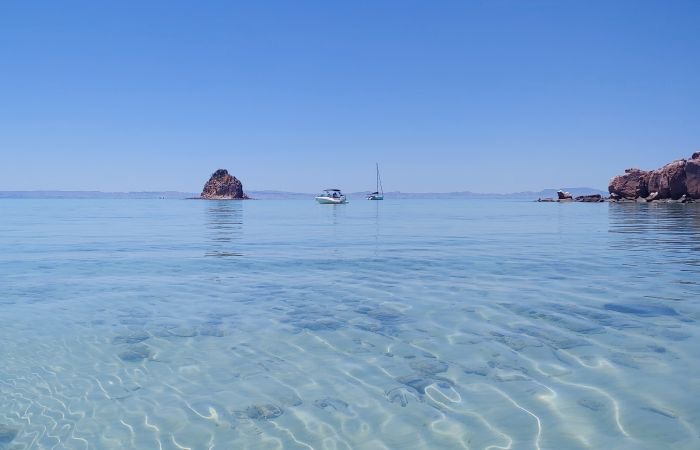
Origin Story
From protected waters
to modern performance.
Prologue
There is a place on the western edge of Mexico where the desert meets one of the wildest stretches of the Pacific. Where, every winter, the largest mammals on Earth arrive to give birth. This is where we work.
Chapter I
Born in the Pacific.
Long before our salt is harvested, it travels. Cold, mineral-dense currents sweep northward along the western edge of Baja California, carrying a near-perfect mineral signature shaped by geology and time.
When these waters finally reach the shallow lagoons of Baja California, the sun and wind do the rest. It is a process older than civilization. We have spent decades learning how not to interrupt it.
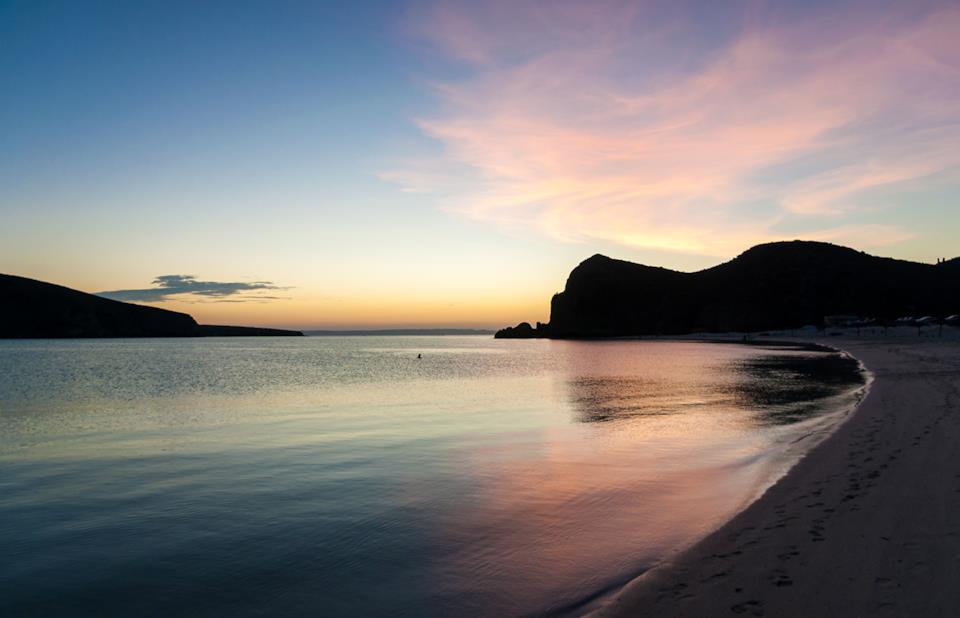
"The lagoon is the only place I have ever known where the world goes truly quiet."— Baja California
Chapter II
A sanctuary, recognized by the world.
Our lagoons sit inside one of the largest wildlife sanctuaries in Latin America — a UNESCO World Heritage Site in Baja California.
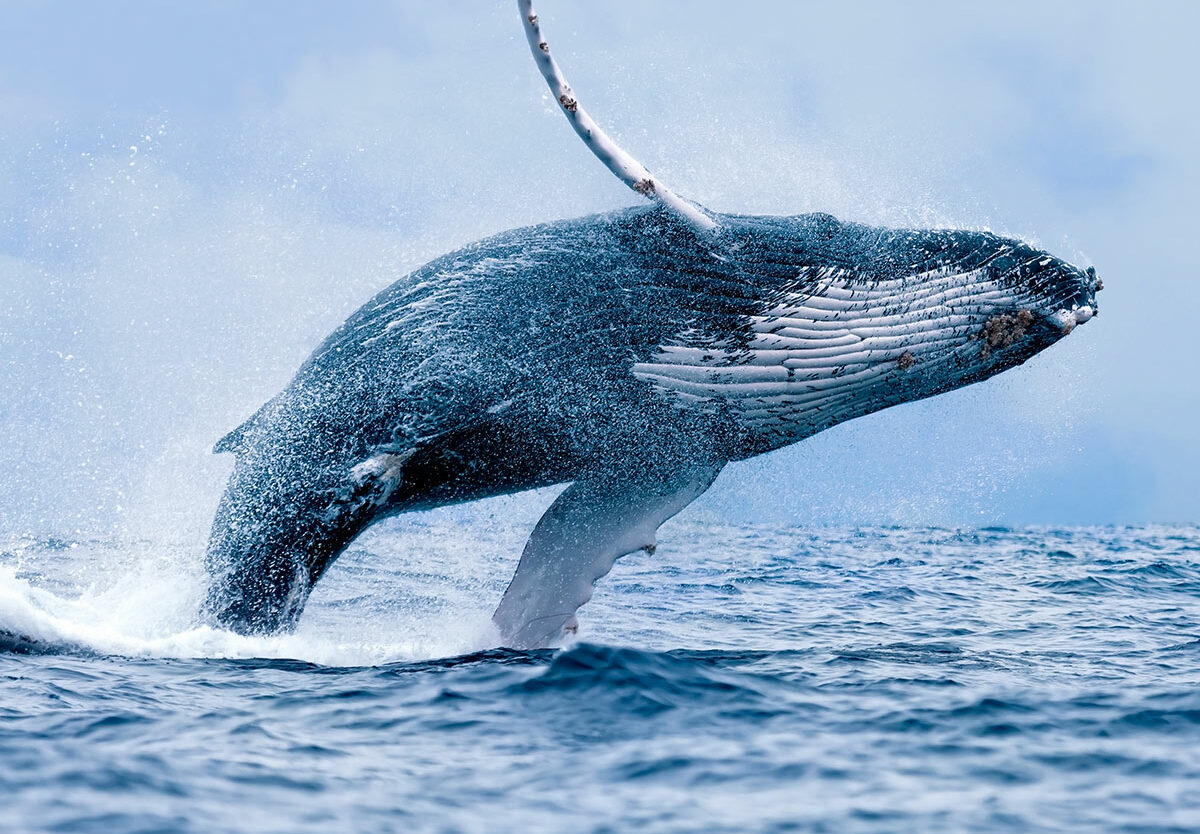
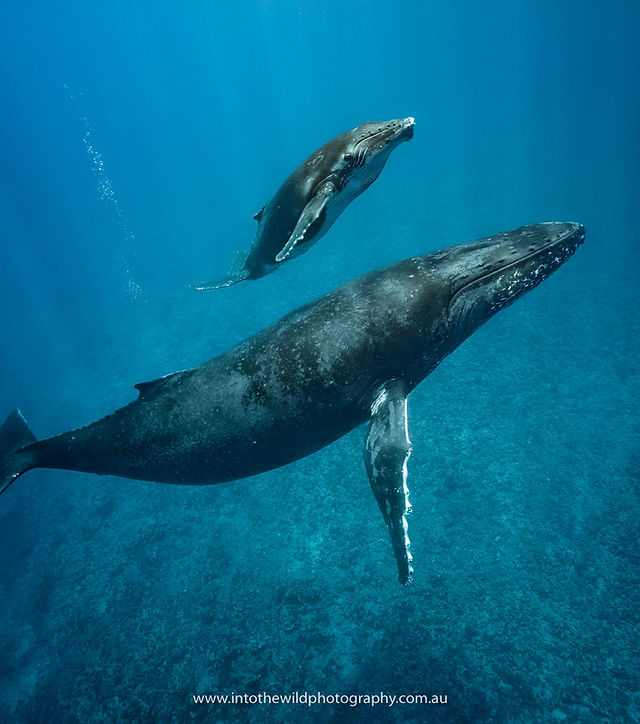
Every winter, the Pacific gray whale travels 12,000 kilometers from the Bering Sea to Baja California to give birth. We share this place. We protect it.
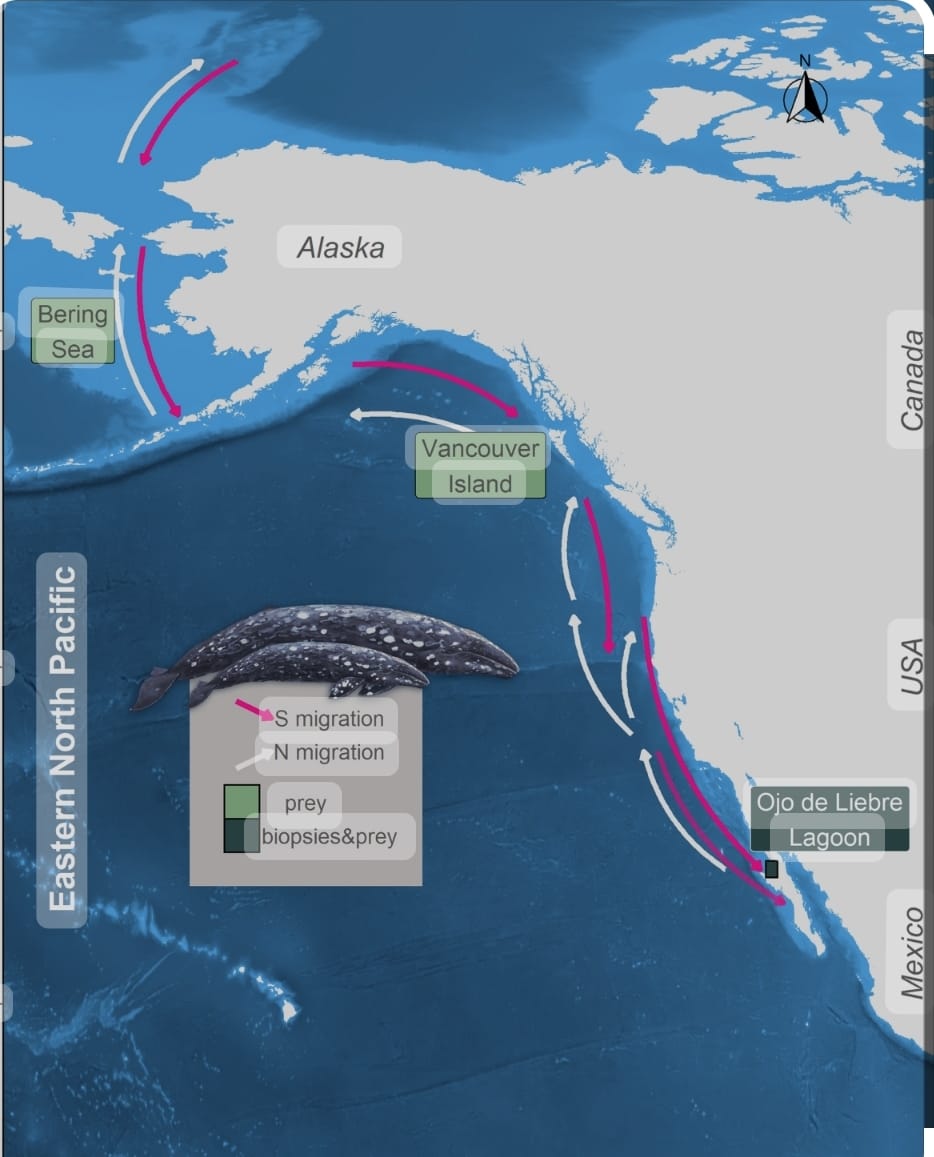
12,000 km · One Lagoon
From the Bering Sea to the desert edge of Baja.
One of the longest mammal migrations on Earth ends in the same lagoon where our salt is born. This is not coincidence — it is what nutrient-dense, undisturbed water makes possible.
Chapter III
Harvested by the sun.
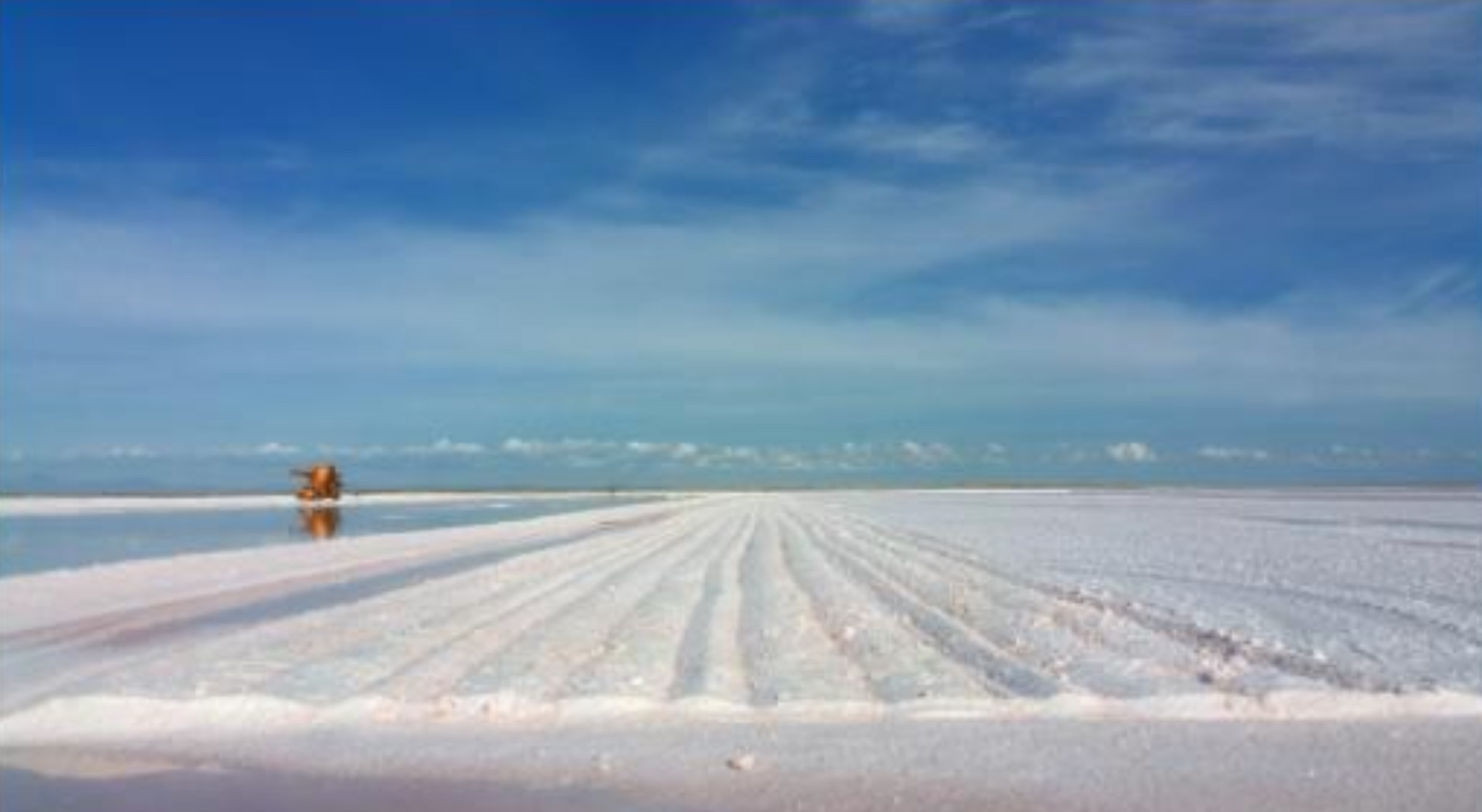
Seawater fills geometric ponds carved from the desert floor. Over months, the sun draws the water away, leaving a snow-bright field of crystallized minerals.
No combustion. No chemistry. Just the same process the planet has used for four billion years — refined to a modern industrial scale.
Chapter IV
Engineered for the world.
From a single source, four worlds: infrastructure, pool, hydration, and home. The same purity, calibrated for every scale of human performance.
This is the Salton thesis — that one extraordinary place can power an extraordinary range of modern needs, without compromising the place itself.